
Signs Your Home Has Hidden Water Damage (And How to Stop It Fast)
Table of Contents
Water damage is one of the most destructive forces your Susanville home can face. While a burst pipe or flooded basement is obvious, hidden water damage often goes unnoticed for months—or even years—causing thousands of dollars in repairs and potentially serious health hazards. As Susanville’s trusted handyman service, Diamond Handyman has seen firsthand how early detection can save homeowners from catastrophic damage and costly repairs.
Whether you’re dealing with Susanville’s occasional heavy rains, winter snow melt, or aging plumbing, understanding the warning signs of hidden water damage is crucial for protecting your home and your family.
Why Hidden Water Damage Is So Dangerous
Unlike obvious flooding, hidden water damage occurs behind walls, under floors, in crawl spaces, and within your home’s structural components. This makes it particularly dangerous because by the time you notice visible signs, the damage has often already become extensive.
Hidden water damage can lead to:
- Structural deterioration of your home’s foundation and framing
- Toxic mold growth that affects indoor air quality
- Damaged insulation that drives up energy costs
- Weakened floors and ceilings that pose safety risks
- Decreased property value
- Higher utility bills from water waste
In Susanville’s climate, where we experience cold winters and warm summers, the freeze-thaw cycle can exacerbate small leaks into major problems. That’s why catching water damage early is essential.
10 Warning Signs of Hidden Water Damage
1. Musty Odors That Won’t Go Away
One of the earliest indicators of hidden water damage is a persistent musty or earthy smell. This odor comes from mold and mildew growing in damp areas you can’t see. If you notice this smell in specific rooms, closets, or near HVAC vents, water may be accumulating somewhere in your walls, ceiling, or under your flooring.
2. Discoloration and Staining on Walls or Ceilings
Water stains often appear as yellowish-brown patches on walls and ceilings. These rings or spots indicate that water has penetrated your drywall or ceiling material. Even if the stain seems old or dried out, it’s a sign that water found a way in—and it can happen again.
Pay special attention to areas near bathrooms, kitchens, and exterior walls. In Susanville homes, check areas beneath windows and around chimneys where water intrusion is more common.
3. Peeling or Bubbling Paint and Wallpaper
When moisture gets trapped behind paint or wallpaper, it causes the material to lose adhesion. You might notice paint that’s bubbling, cracking, or peeling away from the wall. Wallpaper may start to curl at the seams or develop bubbles. This happens because water saturates the drywall beneath, preventing proper bonding.
4. Warped or Buckled Floors
Hardwood, laminate, and even tile floors can show signs of water damage. Look for:
- Boards that are cupping (edges higher than the center)
- Buckling or lifting sections
- Soft or spongy spots when you walk
- Gaps between floorboards
- Cracked or loose tiles
These signs indicate moisture is affecting your subfloor or the flooring material itself, often from leaking pipes beneath or groundwater seepage.
5. Unexplained Increase in Your Water Bill
If your water bill suddenly spikes without any change in your usage habits, you may have a hidden leak. Even a small leak can waste hundreds of gallons per month. Check your water meter before and after a two-hour period when no water is being used. If the meter changes, you likely have a leak somewhere in your plumbing system.
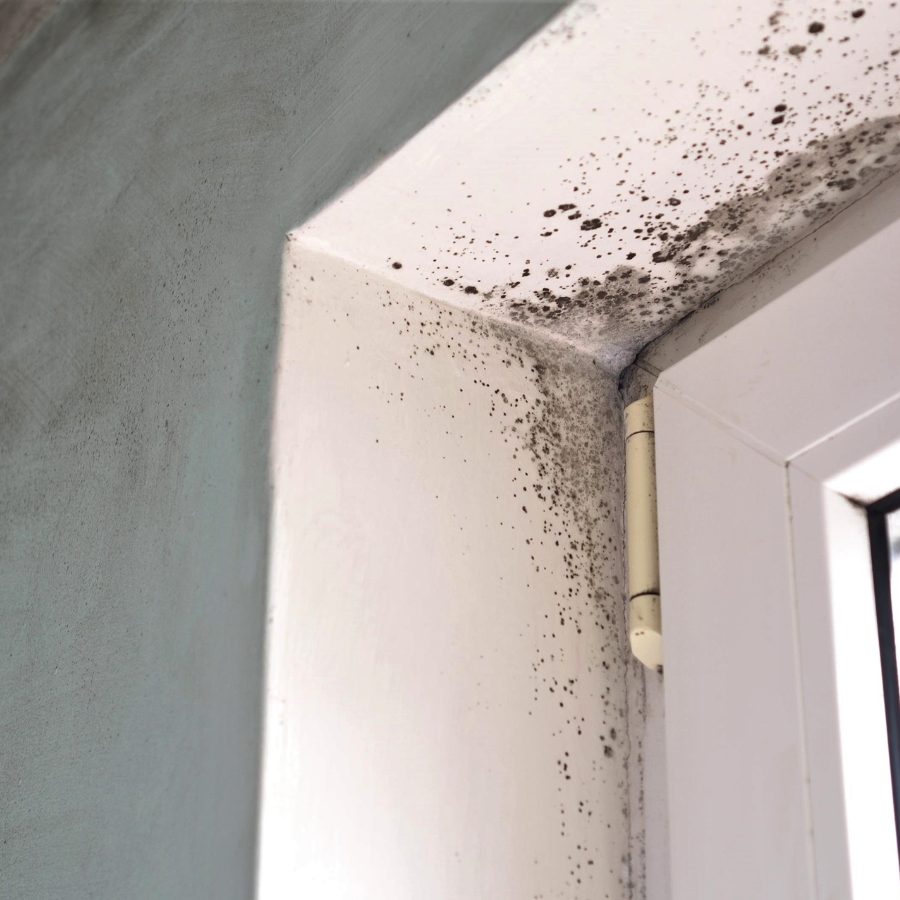
6. Mold and Mildew Growth
Visible mold is a clear sign of excess moisture. Common places to find mold include:
- Bathroom corners and grout lines
- Under sinks and around pipes
- In closets, especially on exterior walls
- Around windows and doors
- In basements and crawl spaces
Remember, if you see mold on surfaces, there’s likely much more growing inside walls or under flooring where moisture is trapped.
7. Sagging or Stained Ceilings
A ceiling that’s beginning to sag or bow is a serious warning sign. This indicates substantial water accumulation above, often from a roof leak, plumbing issue in an upper floor, or HVAC condensation problem. Dark stains accompanied by sagging require immediate attention to prevent ceiling collapse.
8. Damaged or Deteriorating Grout and Caulk
In bathrooms and kitchens, deteriorating grout and caulk can both indicate and cause water damage. If caulk is cracked, missing, or pulling away from surfaces, water is likely seeping behind your tiles or fixtures. This can lead to significant damage to your walls and subfloor over time.
9. Rust and Corrosion on Pipes
Visible rust on exposed pipes, especially where pipes connect or at joints, suggests ongoing moisture problems. Even if you don’t see active dripping, corrosion indicates that humidity or slow leaks are present. In Susanville’s older homes, aging galvanized pipes are particularly susceptible to this issue.
10. Condensation on Windows and Walls
Excessive condensation isn’t always a sign of water damage, but persistent moisture on windows or walls can indicate poor ventilation combined with high humidity—conditions that promote hidden water damage and mold growth. This is especially common in bathrooms, basements, and poorly ventilated rooms.
Common Sources of Hidden Water Damage in Susanville Homes
Understanding where water damage originates helps you target your inspections:
Plumbing Leaks: Old pipes, loose connections, and corroded fittings are primary culprits. Check under sinks, behind toilets, near water heaters, and where pipes enter walls.
Roof Damage: Missing shingles, damaged flashing, and clogged gutters can allow water to penetrate your attic and walls. Susanville’s winter weather can be particularly hard on roofing materials.
Foundation Issues: Cracks in your foundation, poor grading around your home, and inadequate drainage can lead to basement or crawl space moisture.
HVAC Systems: Condensation from air conditioning units and furnace humidifiers can create moisture problems if drainage isn’t working properly.
Appliance Leaks: Washing machines, dishwashers, refrigerators with ice makers, and water heaters can develop slow leaks that go unnoticed.
How to Stop Water Damage Fast
If you’ve identified any warning signs, taking immediate action can prevent minor issues from becoming major disasters:
Immediate Steps
- Shut off the water source if you can identify an active leak
- Document the damage with photos for insurance purposes
- Remove standing water using towels, mops, or a wet/dry vacuum
- Increase ventilation by opening windows and using fans
- Move valuables away from affected areas
Professional Assessment
Don’t try to handle significant water damage yourself. Hidden moisture requires professional detection equipment like thermal imaging cameras and moisture meters. Diamond Handyman has the tools and expertise to:
- Locate the exact source of water intrusion
- Assess the full extent of damage, including hidden areas
- Develop a comprehensive repair plan
- Address both the immediate damage and underlying causes
Prevention Strategies
Regular Inspections: Schedule annual home inspections, paying special attention to plumbing, roofs, and foundations. Susanville’s seasonal changes make spring and fall ideal times for these checkups.
Maintain Gutters and Downspouts: Keep gutters clean and ensure downspouts direct water at least 6 feet away from your foundation.
Monitor Water Pressure: High water pressure stresses pipes and connections. Consider installing a pressure regulator if your pressure exceeds 60-80 psi.
Upgrade Old Plumbing: If your Susanville home has galvanized or polybutylene pipes, consider upgrading to modern materials.
Improve Ventilation: Install exhaust fans in bathrooms and kitchens, and ensure your attic has proper ventilation to prevent condensation.
Seal and Caulk: Regularly inspect and replace caulking around tubs, showers, sinks, and windows.
Install Water Detection Devices: Smart water sensors can alert you to leaks before they cause significant damage.
The Cost of Waiting
Ignoring the warning signs of water damage doesn’t make them go away—it makes them worse. A small leak that costs $200 to fix today could turn into $10,000 in structural repairs, mold remediation, and property damage if left unaddressed.
Insurance companies are also increasingly strict about water damage claims. Many policies won’t cover damage that results from long-term neglect or lack of maintenance. Acting quickly not only protects your home but also ensures you’ll have coverage when you need it.
Trust Diamond Handyman for Water Damage Solutions in Susanville
At Diamond Handyman, we understand that water damage can be stressful and overwhelming. Our experienced team serves Susanville and the surrounding Lassen County area with honest, reliable service. We don’t just patch the visible damage—we find the source, fix it right, and help you prevent future problems.
Whether you need a simple plumbing repair, extensive water damage restoration, or preventive maintenance, we’re here to help protect your most valuable investment: your home.
Don’t wait until a small problem becomes a major disaster. If you’ve noticed any signs of water damage in your Susanville home, contact Diamond Handyman today for a professional inspection and free estimate. We’ll help you stop water damage fast and restore your peace of mind.
Call Diamond Handyman today and protect your Susanville home from hidden water damage before it’s too late 530-250-5382.
Hidden Water Damage Links: